
Werbung: Dieser Artikel enthält Affiliate-Links. Alkohol erst ab 18. Alle Hinweise am Ende des Artikels.
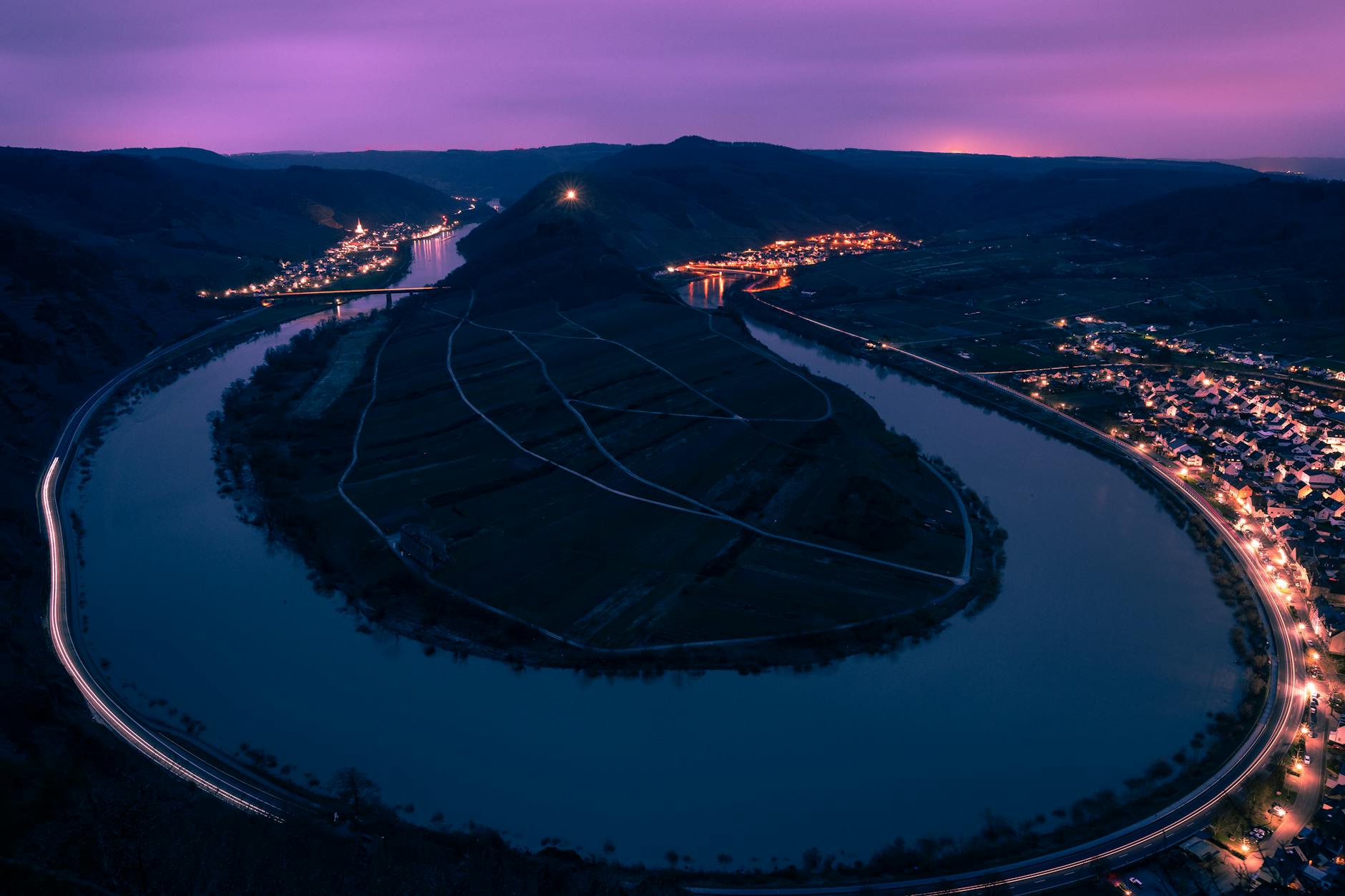
Stellen Sie sich einen Wein vor, der nach dem Felsen schmeckt, auf dem er gewachsen ist. Ein Wein, so transparent, dass er das kühle Klima, die Steilheit seines Weinbergs und den mineralreichen Boden direkt in Ihr Glas leitet. Das ist die Magie des Mosel-Weins. Obwohl Deutschland viele fantastische Weinregionen bietet, ist das Moseltal wohl die dramatischste und ikonischste von allen und bringt einige der unverwechselbarsten und langlebigsten Weißweine der Welt hervor. Vergessen Sie generischen Weißwein; wir begeben uns auf eine Reise in eine Landschaft, in der der Weinbau ein Akt des Trotzes gegen die Schwerkraft ist.
Dies ist nicht nur ein weiterer Leitfaden zum Thema Riesling. Wir werden tiefer graben und die wahre Seele der Mosel erkunden: ihren Schieferboden. Wir decken auf, wie die Farbe des Gesteins – von blau bis rot – den Wein in Ihrem Glas grundlegend verändert. Wir entschlüsseln die komplexen deutschen Weingesetze, damit Sie die perfekte Flasche auswählen können, egal ob Sie sich nach knochentrockener Erfrischung oder einem üppig süßen Dessertwein sehnen. Bereiten Sie sich darauf vor, Moselwein nicht nur anhand seines Etiketts, sondern anhand seiner Geologie zu verstehen.
Das Herz der Mosel: Riesling an unglaublich steilen Hängen
Die Identität der Mosel wird von zwei Schlüsselelementen geprägt: der Riesling-Traube und den schwindelerregend steilen Hängen, die die sich schlängelnde Mosel und ihre Nebenflüsse Saar und Ruwer säumen. Diese Kombination ist kein Zufall; sie ist eine perfekte Synergie aus Notwendigkeit und geologischem Glück.
Die Königin der Reben: Warum der Riesling regiert
Riesling ist der unbestrittene Star der Mosel und bedeckt fast 60 % der Rebfläche. Diese edle Rebsorte ist einzigartig an das herausfordernde kühle Klima der Region angepasst. Ihr natürlicher hoher Säuregehalt ermöglicht eine langsame Reifung über eine lange Vegetationsperiode, wodurch intensive Aromastoffe entwickelt werden, ohne dass der Wein übermäßig alkoholisch wird. Das Ergebnis sind Weine, die unglaublich frisch und lebendig sind, selbst wenn sie Restsüße besitzen. Darüber hinaus ist der Riesling ein Meister der Transparenz; er ist eine Rebsorte, die ihre Herkunft nicht verschleiert, sondern sie vielmehr hervorhebt. Das macht ihn zum perfekten Medium, um die Nuancen der Mosel-Schieferböden auszudrücken.
Eine vom Weinbau geprägte Landschaft: Die ‚Steillagen‘
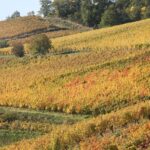
Das auffälligste Merkmal der Mosel sind ihre ‚Steillagen‘ oder Steilhang-Weinberge. Einige, wie der Bremmer Calmont, gehören zu den steilsten der Welt, mit Neigungen von über 60 Grad. Die Arbeit in diesen Weinbergen ist eine Liebesmüh und erfordert immense Handarbeit, da der Einsatz von Maschinen oft unmöglich ist. Warum also nehmen Winzer solche Mühen auf sich? Die Hänge sind der Schlüssel zur Qualität in diesem nördlichen Klima. Sie sind perfekt ausgerichtet, um maximale Sonneneinstrahlung einzufangen, sodass die Riesling-Trauben voll ausreifen können. Die Steilheit fördert zudem eine ausgezeichnete Luft- und Wasserzirkulation, was das Risiko von Frost und Fäulnis verringert. Dieser heldenhafte Weinbau ist ein Zeugnis für das Qualitätsbewusstsein der Region, eine Tradition, die seit der Römerzeit weitergegeben wird.
Die Seele des Bodens: Den Moselschiefer verstehen
Wenn die Steilhänge das Skelett der Mosel sind, dann ist der Schieferboden ihre Seele. Dieses uralte, brüchige Gestein ist das prägende Merkmal des Terroirs der Region und verleiht den Weinen eine charakteristische Mineralität, die oft als ‚feuersteinartig‘, ’rauchig‘ oder wie ‚nasser Stein‘ beschrieben wird. Aber nicht jeder Schiefer ist gleich.
Blau, Rot und Grau: Ein Spektrum an Schiefer
Die Art des Schiefers hat einen tiefgreifenden Einfluss auf das Profil des Weins. Die beiden vorherrschenden Arten sind blauer und roter Devonschiefer.
- Blauer Devonschiefer (Blauschiefer): Dies ist die häufigste Art, die in den berühmten Weinbergen der Mittelmosel wie Bernkastel, Wehlen und Piesport vorkommt. Es ist ein weicher, bröckeliger Schiefer, der Wasser gut speichert, was in trockenen Jahrgängen entscheidend ist. Weine, die auf blauem Schiefer wachsen, sind tendenziell zart und elegant, mit durchdringender Säure, Noten von grünem Apfel, Limette, weißen Blüten und dieser klassischen, stählernen Mineralität, die an ‚flüssigen Fels‘ erinnert.
- Roter Schiefer (Rotschiefer): Roter Schiefer, der in Lagen wie Erden, Ürzig und Traben-Trarbach zu finden ist, ist härter und hat einen höheren Eisenoxidgehalt. Dieser Boden strahlt mehr Wärme ab, was oft zu reichhaltigeren, kräftigeren Weinen führt. Erwarten Sie mehr Steinfruchtaromen wie Pfirsich und Aprikose, eine breitere Textur am Gaumen und einen würzigen, fast schon herzhaften mineralischen Charakter, der die Frucht ergänzt.
Weine von zwei verschiedenen Schieferarten nebeneinander zu verkosten, ist eine faszinierende Übung, um Terroir zu verstehen. Es ist der direkteste Weg zu erleben, wie sich Geologie in Geschmack übersetzt.
Das Etikett entschlüsseln: Das Prädikatssystem erklärt
Das traditionelle deutsche Klassifizierungssystem, das ‚Prädikatswein‘-System, kann einschüchternd wirken, aber es ist ein logischer Leitfaden für den Stil eines Weins. Entscheidend ist, dass es auf der Reife der Trauben bei der Lese (gemessen in ‚Oechsle‘) basiert, nicht auf der endgültigen Süße des Weins. Ein Wein aus reiferen Trauben hat mehr Körper und Geschmacksintensität.
Von trocken bis üppig süß: Ein Stil für jeden Gaumen
- Kabinett: Der leichteste und delikateste Stil, hergestellt aus vollreifen Trauben. Diese Weine können trocken sein oder etwas Restsüße aufweisen (oft als feinherb oder einfach nur Kabinett bezeichnet). Sie sind typischerweise alkoholarm (7-9 % Vol.) mit hoher Säure, was sie außergewöhnlich erfrischend macht. Ein leicht süßer Kabinett ist ein brillanter Partner für scharfe asiatische Gerichte.
- Spätlese: Die Trauben für diese Weine werden später geerntet, was zu mehr Konzentration, Körper und Geschmacksintensität führt. Spätlesen können ebenfalls trocken oder süß sein. Die süßeren Varianten balancieren Reichhaltigkeit mit spritziger Säure aus und passen fantastisch zu deftigen Schweinegerichten oder cremigem Käse.
- Auslese: Diese Weine werden aus sehr reifen Traubenbündeln hergestellt, oft mit einigen Trauben, die von Edelfäule (Botrytis cinerea) befallen sind. Dies verleiht Komplexität und Noten von Honig, Ingwer und Safran. Eine Auslese kann ein kräftiger trockener Wein oder, was häufiger vorkommt, ein sublimer Dessertwein sein, der jahrzehntelang reifen kann.
- Beerenauslese (BA) und Trockenbeerenauslese (TBA): Dies sind seltene, intensiv süße Dessertweine, die aus einzeln ausgelesenen, von Botrytis befallenen Beeren hergestellt werden. Sie sind nektarähnlich, komplex und gehören zu den begehrtesten Süßweinen der Welt.
- Eiswein: Ebenso selten, wird Eiswein aus Trauben hergestellt, die gefroren geerntet und gepresst werden. Dadurch konzentrieren sich Zucker und Säure zu einem einzigartigen, intensiv reinen Süßwein.
Jenseits des Prädikats: Moderne Klassifikationen und Stile
Obwohl das Prädikatssystem grundlegend ist, wird die moderne Weinszene an der Mosel auch durch einen Fokus auf trockene Weine und eine weinbergbezogene Qualitätshierarchie geprägt.
Der Aufstieg der ‚trockenen‘ Weine
Als Reaktion auf die weltweite Nachfrage produzieren die Moselwinzer mehr trockene Spitzenweine als je zuvor. Auf einem Etikett bedeutet ‚Trocken‘ genau das, während ‚Feinherb‘ einen halbtrockenen Stil bezeichnet, der rechtlich nicht definiert ist, aber ein nützlicher Begriff für Verbraucher ist, die nur einen Hauch von Süße zum Ausgleich der Säure suchen. Ein hochwertiger trockener Mosel-Riesling ist eine Meisterklasse in Sachen Spannung und balanciert elektrisierende Säure mit reifer Frucht und tiefgründiger Mineralität.
Der VDP: Eine von Burgund inspirierte Klassifikation
Der VDP (Verband Deutscher Prädikatsweingüter) ist eine Vereinigung deutscher Elite-Weingüter, die eine eigene Qualitätspyramide nach dem Vorbild der burgundischen Klassifikation etabliert hat, die auf der Herkunft des Weins basiert.
- VDP.Grosse Lage®: Die Grand-Cru-Lagen, die allerbesten Weinberge Deutschlands. Trockene Weine aus diesen Lagen werden als ‚Grosses Gewächs‘ (oder GG) bezeichnet und gehören zu den tiefgründigsten trockenen Rieslingen der Welt.
- VDP.Erste Lage®: Premier-Cru-Weinberge mit unverwechselbarem Charakter.
- VDP.Ortswein: Weine aus einem bestimmten Ort, die aus hochwertigen Weinbergen innerhalb dieses Dorfes stammen.
- VDP.Gutswein: Gutsweine, die den Hausstil des Weinguts repräsentieren.
Das VDP-Adler-Logo auf der Flaschenkapsel ist ein verlässlicher Indikator für einen qualitätsorientierten Erzeuger.
Fazit: Ihre Reise in die Welt des Moselweins beginnt
Moselwein ist mehr als nur ein Getränk; er ist der flüssige Ausdruck eines einzigartigen und anspruchsvollen Ortes. Er erzählt die Geschichte der widerstandsfähigen Riesling-Traube, der kräftezehrenden Arbeit an steilen Hängen und des tiefgreifenden Einflusses des Schieferbodens unter den Reben. Die daraus resultierenden Weine bieten ein spektakuläres Spektrum an Stilen, vom federleichten, elektrisierenden Kabinett bis zum komplexen, langlebigen Grossen Gewächs.
Wenn Sie das nächste Mal zu einer Flasche Weißwein greifen, nehmen Sie nicht einfach irgendeine. Suchen Sie nach einem Mosel-Riesling. Achten Sie auf den Lagenamen und die Prädikatsstufe. Noch besser: Finden Sie eine Flasche aus einem Weinberg mit blauem Schiefer und eine aus einem mit rotem Schiefer und schmecken Sie die Geologie selbst. Ihr Gaumen wird Ihnen für dieses Abenteuer danken.
Einige Links in diesem Artikel sind Affiliate-Links. Bei einem Kauf über diese Links erhalten wir eine kleine Provision — der Preis bleibt für dich gleich. So unterstützt du unsere Verkostungsarbeit.
Werbe- und Affiliate-Inhalte sind als solche gekennzeichnet (Hinweis nach §5 TMG und §6 MStV).
Hinweis nach §13 JuSchG: Unsere Inhalte richten sich ausschließlich an Erwachsene ab 18 Jahren. Alkohol erst ab 18 — verantwortungsvoller Genuss steht für uns über jeder Empfehlung. Als Amazon-Partner verdienen wir an qualifizierten Verkäufen.


Comments are closed.