
Werbung: Dieser Artikel enthält Affiliate-Links. Alkohol erst ab 18. Alle Hinweise am Ende des Artikels.
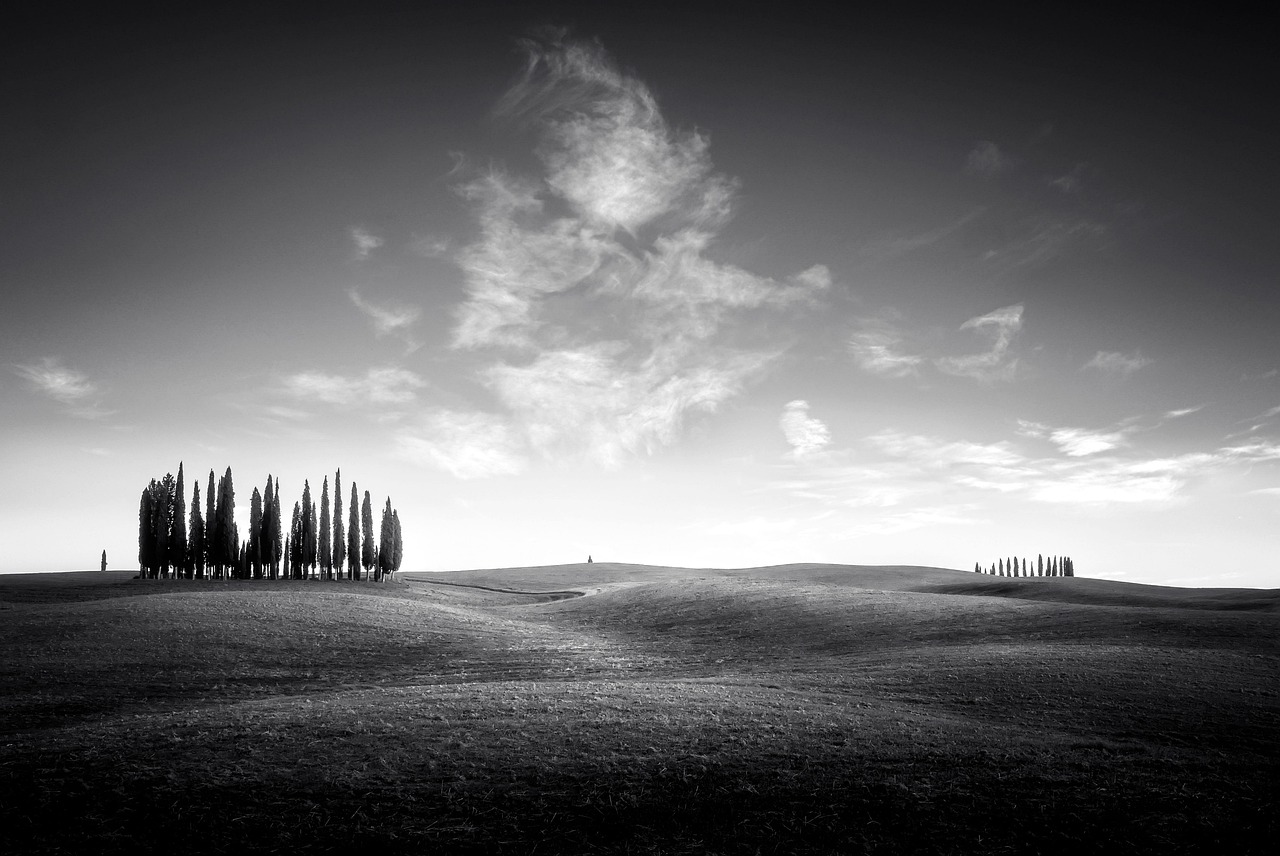
Stellen Sie sich zwei unterschiedliche Landschaften vor. Die eine ist eine Leinwand aus sonnenverwöhnten, sanften Hügeln, gespickt mit Zypressen und alten Steinvillen. Die andere, ein dramatisches Panorama aus steilen, schieferbedeckten Hängen, die zu einem majestätischen Fluss abfallen. Dies sind nicht nur malerische Szenen; sie sind die Kernländer zweier der berühmtesten Weintraditionen Europas: der Toskana und des Rheingaus. Auf den ersten Blick scheint die robuste, rubinrote Welt des Toskana Weins meilenweit von den delikaten, aromatischen Weißweinen des Rheingaus entfernt zu sein. Doch bei genauerem Hinsehen entdecken wir eine gemeinsame Geschichte von Terroir, Tradition und einer kompromisslosen Hingabe zur Qualität. Dies ist eine Geschichte von zwei Regionen, zwei Klimazonen und zwei charakteristischen Rebsorten, die die Spitze des europäischen Weinbaus definieren.
Begleiten Sie uns auf eine Reise vom Herzen Italiens an die Ufer des Rheins, bei der wir den kraftvollen Sangiovese mit dem edlen Riesling vergleichen. Es ist ein reizvolles Duell der Philosophien, Aromen und Geschichten, das Ihre Wertschätzung für beide vertiefen wird.
Die Seele Italiens: Toskana Wein verstehen
Wenn man von italienischem Wein träumt, denkt man oft an die Toskana. Es ist eine Region, die für Kultur, Kulinarik und natürlich für außergewöhnlichen Wein steht. Vom alltäglichen Genuss eines Chianti in einer Trattoria bis zur tiefgründigen Komplexität eines Brunello di Montalcino – der toskanische Wein, oder Toskana Wein, ist fest im italienischen Leben verankert. Aber was verleiht diesen Weinen ihren unverwechselbaren Charakter? Die Antwort liegt im Boden und in der Sonne.
Die Beschaffenheit des Landes: Ein sonnenverwöhntes Terroir
Die Geografie der Toskana ist ihr Schicksal. Die Region ist ein Teppich aus Hügeln und Bergen, mit Weinbergen in unterschiedlichen Höhenlagen. Diese Topografie schafft eine Vielzahl von Mikroklimata, die eine breite Palette von Weinstilen ermöglichen. Das Klima ist überwiegend mediterran, mit heißen, trockenen Sommern, die eine vollständige Reifung der Trauben gewährleisten und tiefe Aromen sowie eine robuste Struktur entwickeln. Die Winter sind mild und regnerisch und füllen die Wasserspeicher wieder auf. Die geheime Zutat ist jedoch der Boden. Die wertvollsten Weinberge liegen auf kargen, gut durchlässigen Böden wie Galestro (ein bröckeliger, felsiger Schieferton) und Alberese (ein verwitterter Sandstein). Diese Böden zwingen die Reben, sich anzustrengen und ihre Wurzeln tief auf der Suche nach Nährstoffen und Wasser zu graben, was zu weniger, aber hochkonzentrierten Trauben führt. Dieser Kampf ist die Quelle der Intensität und Komplexität des Weins.
Die Herrschaft des Sangiovese: Die edle Rebe der Toskana
Über toskanischen Wein zu sprechen, bedeutet, über Sangiovese zu sprechen. Diese edle rote Rebsorte ist die Seele der berühmtesten Weine der Region. Ihr Name, abgeleitet von sanguis Jovis oder „das Blut des Jupiters“, deutet auf ihre alten Wurzeln und ihren königlichen Charakter hin. Sangiovese ist eine Rebsorte mit hohem Säuregehalt, festen Tanninen und einem würzigen Geschmacksprofil. Typischerweise zeigt sie Noten von Kirsche, roter Pflaume, Leder, Tabak und erdigen Untertönen. Sie ist jedoch eine bekanntermaßen terroir-empfindliche Rebe, ein Chamäleon, das seinen Charakter je nach Anbauort verändert.
- Chianti Classico: Aus dem historischen Kernland zwischen Florenz und Siena müssen diese Weine mindestens 80 % Sangiovese enthalten. Sie sind bekannt für ihre helle Säure, festen Tannine und würzigen Noten von Sauerkirsche, Kräutern und Erde. Das ikonische Siegel des Gallo Nero (schwarzer Hahn) garantiert ihre Herkunft.
- Brunello di Montalcino: Als einer der größten Weine Italiens gilt der Brunello, der aus 100 % Sangiovese Grosso, einem spezifischen Klon der Traube, hergestellt wird. Diese Weine, die rund um die Bergstadt Montalcino angebaut werden, sind kräftig, vollmundig und unglaublich lagerfähig, mit komplexen Aromen von Trockenfrüchten, Leder und Gewürzen. Sie unterliegen einigen der längsten Reifeanforderungen in Italien.
- Vino Nobile di Montepulciano: Ein weiteres prestigeträchtiges DOCG, dieser Wein stellt ebenfalls den Sangiovese (lokal als Prugnolo Gentile bekannt) in den Vordergrund, verschnitten mit einem kleinen Anteil anderer Sorten. Er schafft oft eine stilistische Balance zwischen dem rustikalen Charme des Chianti Classico und der Kraft des Brunello.
Darüber hinaus führte der Aufstieg der „Supertoskaner“ in den 1970er Jahren dazu, dass Winzer Sangiovese mit nicht-traditionellen Rebsorten wie Cabernet Sauvignon, Merlot und Cabernet Franc verschnitten und so kühne, international geprägte Weine schufen, die heute zu den begehrtesten der Welt zählen.
Deutschlands Kronjuwel: Die Essenz des Rheingau Weins
Auf unserer Reise nach Norden gelangen wir in eine dramatisch andere Landschaft. Der Rheingau ist ein kleines, aber feines Weinanbaugebiet in Deutschland, wo der Rhein eine einzigartige, scharfe Biegung nach Westen macht. Diese geografische Besonderheit schafft einen 30 Kilometer langen Abschnitt mit ununterbrochenen, nach Süden ausgerichteten Hängen – eine perfekte Solaranlage für die Reifung von Trauben in einem kühlen nördlichen Klima. Hier liegt der Fokus nicht auf Kraft und Tannin, sondern auf Präzision, Mineralität und aromatischer Intensität.
Die Reflexion des Flusses: Terroir und Klima
Wenn die Toskana durch sanfte Hügel geprägt ist, so ist der Rheingau durch seine steilen Hänge und den darunter liegenden Fluss definiert. Die Südausrichtung maximiert die Sonneneinstrahlung, während der Fluss als riesiger Spiegel fungiert, der das Sonnenlicht auf die Reben zurückwirft und die Temperaturen moderiert, was sie vor Frost schützt. Das Klima ist kühl und kontinental, was den Trauben eine langsame Reifung über eine lange Vegetationsperiode ermöglicht. Diese langsame Reifung ist entscheidend; sie baut komplexe Aromen auf und bewahrt gleichzeitig den natürlich hohen Säuregehalt der Traube, das eigentliche Rückgrat des Rheingau Weins. Die Böden hier bestehen überwiegend aus Schiefer (im westlichen Teil) und einer Mischung aus Quarzit, Sandstein und Lehm (weiter östlich). Diese steinigen Böden speichern Wärme und verleihen den Weinen eine unverwechselbare, feuersteinartige Mineralität, die das Markenzeichen der Region ist.
Der singuläre Fokus: Die Herrschaft des Rieslings
Während die Toskana die Vielfalt der Ausdrucksformen des Sangiovese feiert, ist der Rheingau eine Region mit singulärem Fokus: Fast 80 % seiner Weinberge sind dem Riesling gewidmet. Wenn Sangiovese das Blut des Jupiters ist, ist Riesling wie ein Blitz in der Flasche. Es ist eine Rebsorte von unglaublicher Transparenz, die in der Lage ist, die Nuancen seiner Weinbergslage mit kristalliner Klarheit zu vermitteln. Sein hoher Säuregehalt macht ihn in seiner Jugend erfrischend und verleiht ihm ein erstaunliches Alterungspotenzial, wobei reife Rieslinge komplexe Noten von Honig, Bienenwachs und einer charakteristischen Petrolnote entwickeln. Rheingau Riesling ist bekannt für seine Vielseitigkeit und bringt Weltklasse-Weine über das gesamte Süßespektrum hinweg hervor:
- Trocken & Kabinett: Dies sind die trockenen (Trocken) und feinherben (Kabinett) Stile. Sie sind leicht, intensiv mineralisch und prickelnd vor Säure und zeigen Aromen von grünem Apfel, Limette und nassem Stein.
- Spätlese & Auslese: Diese Weine aus später gelesenen Trauben haben eine höhere Konzentration an Zucker und Geschmack. Sie können trocken oder süß sein und bieten exotischere Fruchtnoten wie Pfirsich, Aprikose und Mango, die durch eine prägnante Säure ausgeglichen werden.
- Beerenauslese & Trockenbeerenauslese: Dies sind seltene, üppige Dessertweine, die aus Trauben hergestellt werden, die von Edelfäule (Botrytis cinerea) befallen sind, was Zucker und Aromen in unglaublichem Maße konzentriert.
Obwohl der Riesling König ist, produziert der Rheingau auch exzellenten Spätburgunder (Pinot Noir), insbesondere aus dem Ort Assmannshausen, der für seine eleganten, erdigen Rotweine bekannt ist.
Eine Geschmacksgeschichte: Zwei Ikonen im Vergleich
Stellt man ein Glas Chianti Classico neben einen Rheingau Riesling Kabinett, offenbart sich eine faszinierende Studie der Kontraste. Der eine ist ein tiefes, grüblerisches Rot; der andere ein blasses, schimmerndes Gold. Aber die Unterschiede gehen weit über die Farbe hinaus.
Struktur und Sensorik: Tannin vs. Säure
Die primäre strukturelle Komponente in einem jungen Toskana Wein aus Sangiovese ist das Tannin. Es ist dieses trocknende, leicht adstringierende Gefühl am Zahnfleisch, das dem Wein Halt und Langlebigkeit verleiht. Dieses Tanningerüst verlangt nach Speisen, insbesondere nach protein- und fettreichen Gerichten, um seine Kanten zu mildern. Im Gegensatz dazu ist das definierende strukturelle Element des Rheingau Weins, insbesondere des Rieslings, seine hohe Säure. Diese Säure sorgt für Frische, Fokus und eine appetitanregende Qualität, die den Gaumen reinigt. Es ist der elektrische Strom, der selbst die süßesten Rieslinge davor bewahrt, schwer oder klebrig zu wirken.
Eine Welt der Aromen und Geschmäcker
Die aromatischen Profile liegen Welten auseinander. Sangiovese bietet ein würziges, erdiges Bouquet: Man denke an Sauerkirschen, Tomatenblätter, gealtertes Leder, getrocknete Kräuter und einen Hauch von Balsamico. Es ist ein Wein, der von der Erde und der Sonne spricht. Riesling hingegen ist in seiner Jugend aromatisch explosiv und fruchtbetont: Limettenschale, grüner Apfel, weißer Pfirsich und Jasmin, alles untermalt von dieser unverwechselbaren schieferartigen Mineralität. Mit dem Alter tritt die Frucht des Sangiovese zurück und enthüllt mehr tertiäre Noten, während der Riesling zu einem komplexen Spektrum aus Honig, Ingwer und Petrol aufblüht.
Gemeinsame Basis: Eine einheitliche Philosophie des Ortes
Trotz ihrer deutlichen Unterschiede in Geschmack und Aussehen teilen die Toskana und der Rheingau eine tiefgründige, verbindende Philosophie: den Glauben, dass die größten Weine Ausdruck eines bestimmten Ortes sind. Beide Regionen haben eine tief verwurzelte Geschichte in der Identifizierung und Klassifizierung ihrer besten Weinberglagen.
In Deutschland wird dies durch den VDP (Verband Deutscher Prädikatsweingüter), eine Vereinigung von Spitzenweingütern, formalisiert. Ihr pyramidenförmiges Klassifizierungssystem, das in der VDP.Grosse Lage® gipfelt, ist Deutschlands Äquivalent zum Grand Cru aus Burgund und bezeichnet die allerbesten Weinbergsparzellen. Ein trockener Wein aus einer Grossen Lage wird als Grosses Gewächs (GG) bezeichnet und stellt die Spitze des trockenen deutschen Rieslings dar.
In der Toskana ist das System zwar anders, aber das Konzept ist dasselbe. Die Kategorie Chianti Classico Gran Selezione zum Beispiel verlangt, dass die Trauben ausschließlich von einem einzigen Weingut stammen. Darüber hinaus ist das Konzept des Brunello di Montalcino selbst an einen bestimmten Klon des Sangiovese in einem spezifischen Gebiet gebunden. Beide Regionen verstehen, dass die Magie nicht nur im Keller, sondern im Boden, am Hang und unter der Sonne eines besonderen, wertvollen Stücks Land geschieht.
Fazit: Eine Reise für jeden Gaumen
Die Weinwelten der Toskana und des Rheingaus bieten zwei unterschiedliche und doch gleichermaßen überzeugende Erlebnisse. Das Erlebnis eines Toskana Weins ist geprägt von Wärme, Struktur und würziger Komplexität – ein Wein, der sich untrennbar mit dem Esstisch und herzhaften Gesprächen verbunden anfühlt. Das Erlebnis eines Rheingau Weins ist geprägt von Präzision, Lebendigkeit und aromatischer Brillanz – ein Wein, der intellektuell anregend und hedonistisch erfrischend zugleich sein kann.
Sie sind keine Rivalen, sondern zwei perfekte Ausdrucksformen dessen, was Wein sein kann. Der eine ist nicht besser als der andere; sie sind einfach anders, jeder ein perfektes Spiegelbild seines einzigartigen Terroirs. Der beste Weg, diese wunderschöne Dichotomie zu verstehen, ist, sie selbst zu erleben. Warum führen Sie nicht Ihre eigene Verkostung durch? Stellen Sie einen Chianti Classico einem trockenen Rheingau Riesling gegenüber. Beachten Sie die Unterschiede, feiern Sie die Kontraste und entdecken Sie, welche der beiden Terroir-Geschichten Ihren Gaumen am meisten fesselt.
Einige Links in diesem Artikel sind Affiliate-Links. Bei einem Kauf über diese Links erhalten wir eine kleine Provision — der Preis bleibt für dich gleich. So unterstützt du unsere Verkostungsarbeit.
Werbe- und Affiliate-Inhalte sind als solche gekennzeichnet (Hinweis nach §5 TMG und §6 MStV).
Hinweis nach §13 JuSchG: Unsere Inhalte richten sich ausschließlich an Erwachsene ab 18 Jahren. Alkohol erst ab 18 — verantwortungsvoller Genuss steht für uns über jeder Empfehlung. Als Amazon-Partner verdienen wir an qualifizierten Verkäufen.



Comments are closed.