Werbung: Dieser Artikel enthält Affiliate-Links. Alkohol erst ab 18. Alle Hinweise am Ende des Artikels.
Denkt man an die großen Weinregionen der Welt, kommen einem oft Namen wie Bordeaux, Burgund und die Toskana in den Sinn. Doch eingebettet an einem sonnenverwöhnten, nach Süden ausgerichteten Abschnitt des Rheins liegt eine Region, deren historische Bedeutung und weinbauliche Meisterschaft ihresgleichen suchen: der Rheingau. Dies ist nicht nur irgendein deutsches Weinanbaugebiet; es ist die spirituelle Heimat des Rieslings, ein Ort, an dem Terroir, Tradition und ein unermüdliches Streben nach Qualität in der Flasche zusammenkommen. Rheingauer Wein zu verstehen bedeutet, die Seele des deutschen Weinbaus zu verstehen – eine Geschichte von aristokratischen Gütern, klösterlicher Hingabe und dem unglaublichen Potenzial einer einzigen Rebsorte.
Die Geografie der Größe: Das einzigartige Terroir des Rheingaus
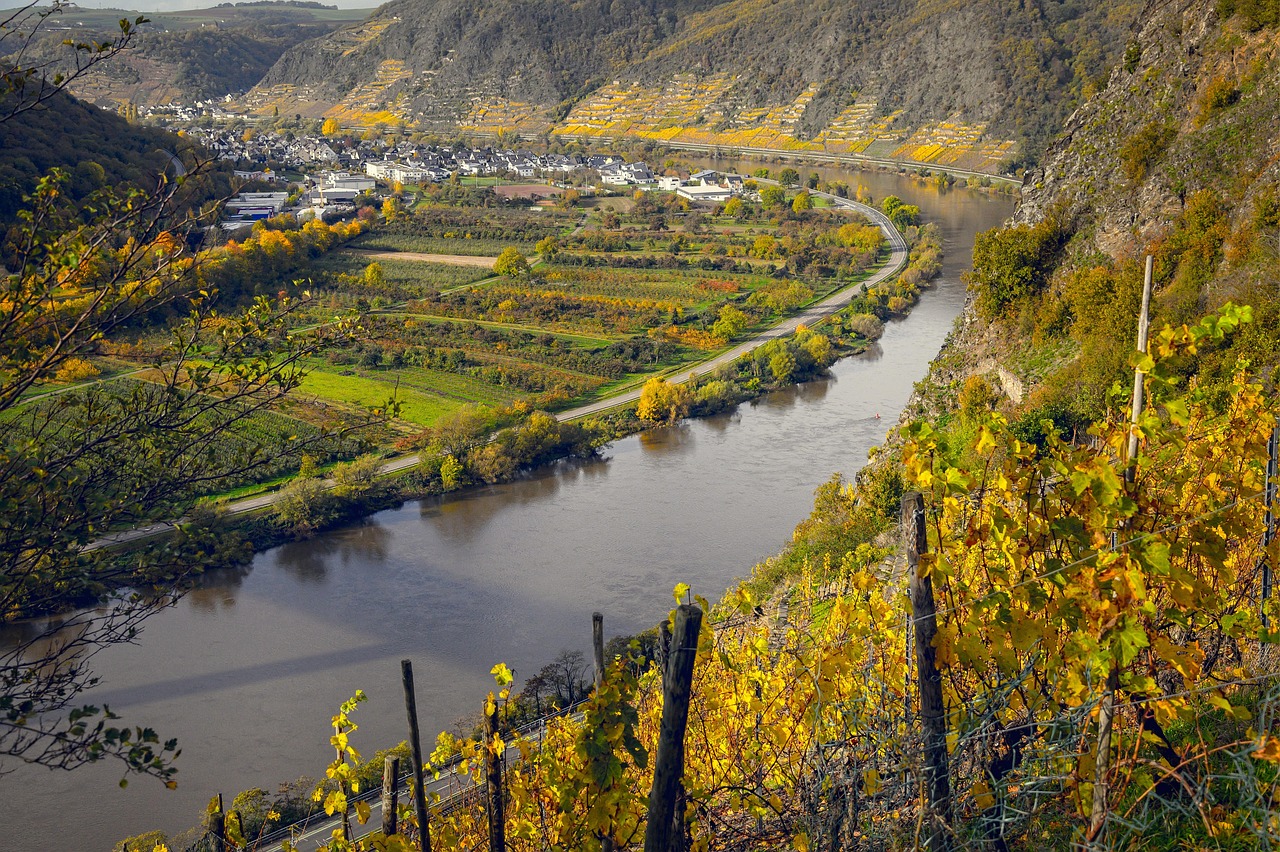
Die Magie des Rheingauer Weins beginnt mit seiner außergewöhnlichen Geografie. Anders als auf dem Großteil seiner Nord-Süd-Reise macht der Rhein zwischen Wiesbaden und Rüdesheim für etwa 30 Kilometer eine überraschende Wendung von Ost nach West. Diese geografische Besonderheit schafft ein perfektes, nach Süden ausgerichtetes Amphitheater aus Weinbergen, das die Sonneneinstrahlung in einer kühlen Klimazone maximiert. Doch der Fluss ist nur ein Teil der Geschichte.
Der schützende Schild des Taunus
Im Norden wird der Rheingau durch das bewaldete Taunusgebirge geschützt. Diese natürliche Barriere wirkt wie ein beeindruckender Schild, der die Weinberge vor kalten Nordwinden schützt und einen Regenschatten erzeugt. Dieser Schutz führt zu einem milderen, sonnigeren Mikroklima als in den umliegenden Gebieten, was es der spät reifenden Riesling-Traube ermöglicht, ihre optimale physiologische Reife zu erreichen. Die lange, sanfte Vegetationsperiode ist der Schlüssel zur Entwicklung der komplexen Aromen der Traube und zum Erhalt ihrer charakteristischen hohen Säure, die den Rheingauer Weinen ihre unglaubliche Struktur und ihr Alterungspotenzial verleiht.
Ein Mosaik der Böden: Von Schiefer bis Löss
Der Charakter eines Rheingauer Weins wird maßgeblich vom Boden geprägt, in dem seine Reben wachsen. Die Region verfügt über ein komplexes geologisches Mosaik, und ein kurzer Spaziergang von einem Weinberg zum nächsten kann einen dramatischen Wechsel des Bodentyps bedeuten. Im westlichen Teil des Rheingaus, insbesondere um Rüdesheim und seine berühmten „Berge“ (wie Berg Schlossberg und Berg Rottland), dominieren Schiefer und Quarzit die Böden. Diese steinigen, wärmespeichernden Böden bringen Rieslinge hervor, die scharf definiert, intensiv mineralisch und in ihrer Säure fast elektrisierend sind, mit Noten von Feuerstein, nassem Stein und Zitrusfrüchten. Weiter östlich, in Richtung Hochheim, werden die Böden reicher an Löss, Lehm und Ton. Weine von diesen Böden sind tendenziell körperreicher, mit ausgeprägteren Fruchtnoten von Pfirsich und Aprikose und einem runderen, strukturierteren Mundgefühl.
Riesling: Der unangefochtene König des Rheingaus
Obwohl auch andere Rebsorten angebaut werden, ist der Rheingau überwiegend dem Riesling gewidmet, der fast 80 % der Rebfläche ausmacht. Hier erreicht die Traube ihren Zenit und zeigt ihre bemerkenswerte Fähigkeit, die Nuancen ihrer Herkunft zum Ausdruck zu bringen. Ein Rheingauer Riesling ist eine Meisterklasse in Sachen Balance, ein Drahtseilakt zwischen reifer Frucht, belebender Säure und tiefgründiger Mineralität.
Ein Spektrum an Stilen: Von knochentrocken bis nektarsüß
Eine der größten Stärken des Rieslings ist seine Vielseitigkeit, und die Rheingauer Winzer keltern ihn in einer schillernden Vielfalt von Stilen. Das deutsche Prädikatssystem, das Wein nach der Reife der Trauben bei der Lese klassifiziert, wird hier in vollem Umfang präsentiert:
Kabinett: Der leichteste Stil, typischerweise feinherb mit zarten Fruchtaromen und hoher Säure, was ihn zu einem hervorragenden Aperitif macht.
Spätlese: Diese „spät gelesenen“ Trauben haben mehr Konzentration und Reife, was zu einem Wein mit mehr Körper und Intensität führt, oft mit Noten von tropischen Früchten, die die spritzige Säure ausbalancieren.
Auslese: Hergestellt aus „ausgelesenen“ Partien sehr reifer Trauben, oft mit einem Hauch von Edelfäule (Botrytis cinerea). Dies sind reichhaltigere, komplexere Weine, die intensiv süß sein können, aber immer durch ein kräftiges Säuregerüst ausbalanciert werden.
Beerenauslese (BA) & Trockenbeerenauslese (TBA): Dies sind seltene, üppige Dessertweine, die aus einzeln selektierten, von Botrytis befallenen Beeren hergestellt werden. Sie sind Elixiere aus Honig, getrockneter Aprikose und Karamell, die jahrzehntelang reifen können.
Neben diesen traditionellen Stilen ist der trockene Riesling (Trocken) zur Visitenkarte der Region geworden. Hochwertige trockene Rieslinge, insbesondere die als VDP.Grosses Gewächs (GG) bezeichneten, gehören zu den tiefgründigsten und lagerfähigsten Weißweinen der Welt und bieten eine vielschichtige Komplexität, die sich über viele Jahre entfaltet.
Die rote Ausnahme: Assmannshäuser Spätburgunder
Während der Riesling unangefochten herrscht, gibt es im Rheingau eine besondere Enklave, die für Rotwein berühmt ist. Der Ort Assmannshausen ist mit seinen steilen, schiefergeprägten Weinbergen für seinen Spätburgunder (Pinot Noir) bekannt. Dies sind elegante, vom Terroir geprägte Rotweine, oft mit würzigen, erdigen Noten und einer seidigen Textur, die einen wunderschönen Kontrast zu den lebendigen Weißweinen der Region bilden.
Ein Erbe von Qualität und Innovation
Der Ruf des Rheingaus wurde nicht über Nacht aufgebaut. Er ist das Ergebnis jahrhundertelanger Hingabe, die mit den Zisterziensermönchen begann, die das Land akribisch bewirtschafteten und ihre Erkenntnisse dokumentierten. Es waren die Mönche im Kloster Eberbach, einem atemberaubend erhaltenen Kloster, die im 12. Jahrhundert den Weg für den qualitätsorientierten Weinbau bereiteten.
Die Legende des Spätlesereiters
Die vielleicht berühmteste Geschichte aus dem Rheingau ist die Geburt der Spätlese. Im Jahr 1775 verspätete sich der Kurier, der die Erlaubnis zum Lesebeginn auf Schloss Johannisberg überbringen sollte, um Wochen. Als er ankam, waren die Trauben von einer scheinbar schädlichen Fäulnis bedeckt. Da er nichts zu verlieren hatte, kelterte der Kellermeister sie trotzdem. Der daraus resultierende Wein war erstaunlich reich, komplex und süß – der erste absichtlich erzeugte Spätlesewein der Welt. Dieses Ereignis festigte den Ruf der Region für Innovation und Qualität auf höchstem Niveau.
VDP: Der moderne Garant für Qualität
Das Streben nach Qualität wird vom Verband Deutscher Prädikatsweingüter (VDP), dem Verband der deutschen Elite-Weingüter, angeführt. Der VDP hat ein von Burgund inspiriertes Klassifizierungssystem für Weinberge etabliert, das die allerbesten Lagen auszeichnet. Den VDP-Adler auf der Kapsel einer Flasche zu sehen, ist eine Qualitätsgarantie. Die höchste Stufe, VDP.Grosse Lage, entspricht einem Grand Cru und kennzeichnet einen Wein aus einer Weltklasselage mit einzigartigem Charakter. Dieses System hilft Verbrauchern, die besten Weine der Region zu finden, und unterstreicht den Fokus des Rheingaus auf das Terroir.
Wie man Rheingauer Wein entdeckt und genießt
Die Entdeckung des Rheingauer Weins ist eine lohnende Reise. Für einen klassischen Einstieg beginnen Sie mit einem trockenen (Trocken) Riesling von einem renommierten Weingut. Dieser wird die charakteristische Mineralität und Präzision der Region zeigen. Achten Sie auf den Ortsnamen auf dem Etikett – ein Rüdesheimer Berg wird sich von einem Winkeler Jesuitengarten unterscheiden.
Scheuen Sie sich nicht vor ein wenig Restsüße. Ein feinherber Kabinett oder eine Spätlese ist ein phänomenaler Essensbegleiter. Die leichte Süße wird perfekt durch eine hohe Säure ausbalanciert, was ihn zu einem brillanten Partner für scharfe asiatische Küche, Schweinebraten oder kräftige Käsesorten macht. Die Harmonie, die diese Weine erreichen, ist etwas, das nur wenige andere Weine auf der Welt bieten können.
Schließlich sollten Sie das Alter berücksichtigen. Obwohl sie jung köstlich sind, hat ein hochwertiger Rheingauer Riesling, insbesondere eine Spätlese oder ein Grosses Gewächs, ein unglaubliches Reifepotenzial. Mit 5-10 Jahren Flaschenreife treten die primären Fruchtnoten in den Hintergrund und es entwickeln sich komplexe tertiäre Aromen von Honig, Petrol und Ingwer, die ein völlig neues und tiefgründiges Geschmackserlebnis schaffen.
Fazit: Ein Schluck flüssige Geschichte
Rheingauer Wein ist mehr als nur ein Getränk; er ist eine flüssige Verbindung zu Jahrhunderten der Geschichte, ein Spiegelbild eines einzigartigen und gesegneten Terroirs und ein Zeugnis für die Vielseitigkeit der edlen Rieslingtraube. Von den knackigen, mineralisch geprägten trockenen Weinen bis zu den üppig süßen Dessert-Elixieren bietet der Rheingau einen Wein für jeden Gaumen und jeden Anlass. Wenn Sie das nächste Mal einen Weißwein von außergewöhnlicher Qualität, Tiefe und Charakter suchen, greifen Sie zur langen, schlanken Flasche aus diesem königlichen Riesling-Reich. Wir laden Sie ein, ein Stück deutscher Geschichte zu entkorken und die Magie des Rheingaus selbst zu entdecken.
Einige Links in diesem Artikel sind Affiliate-Links. Bei einem Kauf über diese Links erhalten wir eine kleine Provision — der Preis bleibt für dich gleich. So unterstützt du unsere Verkostungsarbeit.
Werbe- und Affiliate-Inhalte sind als solche gekennzeichnet (Hinweis nach §5 TMG und §6 MStV).
Hinweis nach §13 JuSchG: Unsere Inhalte richten sich ausschließlich an Erwachsene ab 18 Jahren. Alkohol erst ab 18 — verantwortungsvoller Genuss steht für uns über jeder Empfehlung. Als Amazon-Partner verdienen wir an qualifizierten Verkäufen.
Hinweis nach §13 JuSchG. Schnapsparadies ist ein redaktionelles Magazin
zu Spirituosen, Wein und Bier — wir verkaufen nichts und empfehlen nur. Inhalte richten
sich an erwachsene Leser:innen ab 18 Jahren. Verantwortungsvoller Genuss. Mehr






Comments are closed.