
Werbung: Dieser Artikel enthält Affiliate-Links. Alkohol erst ab 18. Alle Hinweise am Ende des Artikels.
Stellen Sie sich zwei Flüsse, zwei Klimazonen und zwei grundverschiedene Philosophien der Weinherstellung vor. Auf der einen Seite schlängelt sich der Ebro durch sonnenverwöhnte spanische Ebenen und nährt die kühne Tempranillo-Traube, die für einen langen Schlummer in Eichenfässern bestimmt ist. Auf der anderen Seite bahnt sich der Rhein einen dramatischen Weg durch steile, schieferbedeckte deutsche Hänge, wo die edle Riesling-Traube zu kristalliner Perfektion reift. Dies ist die Geschichte von zwei der ikonischsten Weinregionen Europas: Rioja und Rheingau. Während die eine für ihre komplexen, würzigen Rotweine und die andere für ihre laserfokussierten, aromatischen Weißweine berühmt ist, bieten beide eine Meisterklasse in Terroir und Tradition. Entdecken Sie mit uns den Charakter, die Klassifikationen und die kulinarischen Begleiter von Rioja Wein und Rheingau Wein – eine Reise von spanischer Leidenschaft zu deutscher Präzision.
Das Herz Spaniens: Rioja Wein entschlüsselt
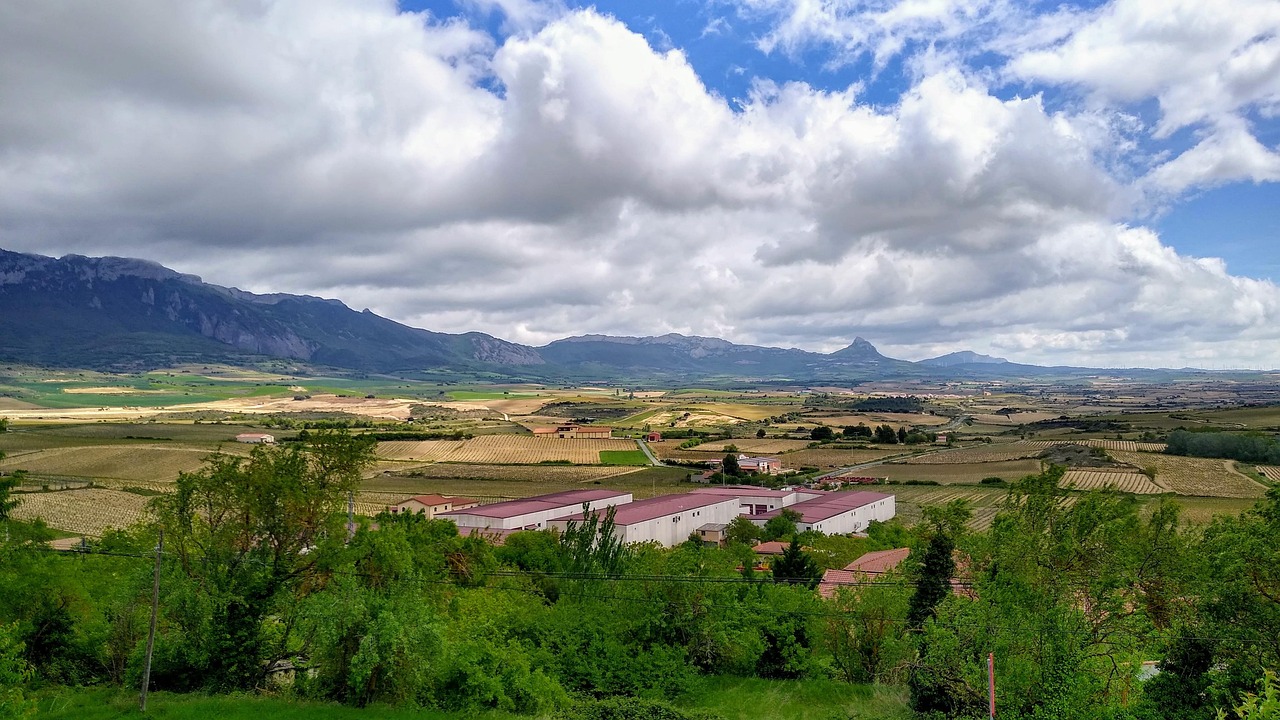
Wenn man an spanischen Wein denkt, ist Rioja oft der erste Name, der einem in den Sinn kommt, und das aus gutem Grund. In Nordspanien gelegen, hat diese Region eine Weinbaugeschichte, die bis in die Römerzeit zurückreicht. Es war die erste Region in Spanien, die mit der prestigeträchtigen Denominación de Origen Calificada (DOCa) ausgezeichnet wurde, ein Beweis für ihre beständige Qualität und unerschütterlichen Standards. Aber was macht eine Flasche Rioja Wein wirklich aus?
Ein Land, geprägt von drei Zonen
Die Rioja-Region ist kein Monolith; sie ist eine vielfältige Landschaft, die in drei unterschiedliche Unterzonen unterteilt ist, von denen jede eine andere Nuance zur endgültigen Cuvée beiträgt.
- Rioja Alta: Im westlichen, höher gelegenen Teil der Region gelegen, herrscht in der Rioja Alta ein kühleres Klima. Dies führt zu Weinen mit höherer Säure, eleganter Struktur und hellen Fruchtaromen. Sie gilt oft als die Quelle der lagerfähigsten und raffiniertesten Rioja-Weine.
- Rioja Alavesa: Nördlich des Ebro in der baskischen Provinz Álava gelegen, weist diese Zone ähnliche kalkhaltige Lehmböden und ein vom Atlantik beeinflusstes Klima auf. Die Weine von hier sind bekannt für ihre aromatische Intensität, ihren vollen Körper und eine feine Säure, die sie besonders in ihrer Jugend lebendig macht.
- Rioja Oriental (ehemals Rioja Baja): Die östlichste Zone hat ein wärmeres, trockeneres Klima mit mehr mediterranem Einfluss. Die Böden sind reicher an Ton und Schluff. Dieses Klima ist ideal für die Reifung von Garnacha (Grenache), die den Cuvées Körper, Alkohol und reife, marmeladige Fruchtnoten verleiht. Die Weine von hier sind typischerweise vollmundiger und kräftiger.
Kellermeister verwenden oft Trauben aus allen drei Zonen, um einen ausgewogenen, komplexen Wein zu kreieren, der das Beste der gesamten Region einfängt.
Die Kunst der Reifung: Von Crianza bis Gran Reserva
Das vielleicht prägendste Merkmal des Rioja Weins für Verbraucher ist sein strenges Klassifizierungssystem für die Reifung. Dieses System, das deutlich auf dem Etikett aufgedruckt ist, gibt genau an, wie lange der Wein sowohl im Eichenfass als auch in der Flasche gereift ist, bevor er auf den Markt kommt. Dies ist ein fantastischer Leitfaden für den Stil und die Qualität des Weins.
- Joven: Das bedeutet „jung“; diese Weine sehen wenig bis gar keine Eichenfassreifung. Sie werden innerhalb von ein oder zwei Jahren nach der Lese veröffentlicht und sollen für ihren primären Fruchtcharakter genossen werden: frisch, lebendig und unkompliziert.
- Crianza: Dies ist oft der Einstieg in die Welt der Qualitäts-Riojas. Rote Crianzas müssen mindestens zwei Jahre reifen, davon mindestens ein Jahr im Eichenfass. Sie bieten eine perfekte Balance aus frischer Frucht und subtilen Gewürznoten des Eichenholzes, wie Vanille und Nelke.
- Reserva: Ein deutlicher Qualitätssprung in Sachen Komplexität. Rote Reservas reifen mindestens drei Jahre, davon mindestens ein Jahr im Eichenfass und mindestens sechs Monate in der Flasche. Diese Weine, typischerweise aus besseren Jahrgängen, zeigen eine wunderschöne Integration von Frucht, Eiche und sich entwickelnden Tertiäraromen von Leder und Tabak.
- Gran Reserva: Der Gipfel der Rioja-Reifung. Diese Weine werden nur in außergewöhnlichen Jahrgängen hergestellt. Sie erfordern eine Mindestreifung von fünf Jahren, davon mindestens zwei Jahre im Eichenfass und zwei Jahre in der Flasche. Das Ergebnis ist ein zutiefst komplexer, weicher und eleganter Wein, bei dem die Frucht zu würzigen Noten von getrockneter Feige, Gewürzen, Erde und Leder herangereift ist.
Deutschlands Aristokrat: Die Essenz des Rheingau Weins
Wir reisen quer durch Europa nach Nordosten und kommen im Rheingau an. Obwohl Deutschland ein riesiges Weinland ist, ist der Rheingau eine seiner kleinsten und prestigeträchtigsten Regionen. Es ist ein aristokratischer Landstreifen, ein 30 Kilometer langer Abschnitt ununterbrochener, nach Süden ausgerichteter Weinberge am Nordufer des Rheins. Hier ist der unbestrittene König der Riesling.
Ein Fluss, ein Berg und ein perfekter Hang
Die Geografie des Rheingaus ist der Traum eines jeden Winzers für den Weinbau in kühlem Klima. Das Taunusgebirge im Norden schützt die Weinberge vor kalten Winden, während der Rhein wie ein riesiger Spiegel wirkt, der das Sonnenlicht reflektiert und die Temperaturen moderiert. Die steile Südlage sorgt dafür, dass die Trauben maximale Sonne erhalten, was ihnen eine langsame Reifung und die Entwicklung intensiver Aromen ermöglicht, während sie ihre entscheidende Säure bewahren. Die Böden, vorwiegend Schiefer und Quarzit, sind nährstoffarm, aber reich an Mineralien, was zum charakteristischen feuersteinartigen, mineralischen Charakter des Rheingau Weins beiträgt.
Das Prädikatssystem entschlüsselt
Wo die Klassifizierung des Rioja auf der Reifung basiert, beruht die deutsche Klassifizierung auf dem Reifegrad der Trauben bei der Lese, gemessen am Zuckergehalt (dem sogenannten Mostgewicht). Dies ist das Prädikatssystem, eine Qualitätsleiter, die den potenziellen Stil und die Intensität des Weins anzeigt.
- Kabinett: Der leichteste und delikateste Stil. Hergestellt aus vollreifen Trauben, sind diese Weine typischerweise alkoholarm und können von knochentrocken (Trocken) bis feinherb reichen, immer mit einer mitreißenden Säure.
- Spätlese: Die Trauben werden später gelesen, wodurch sie mehr Zucker und Geschmackskonzentration entwickeln können. Spätlese-Weine sind intensiver und vollmundiger als Kabinett-Weine und können trocken, feinherb oder üppig süß sein.
- Auslese: Diese Weine werden aus sehr reifen Traubenbündeln hergestellt, oft mit einigen Trauben, die von Edelfäule (Botrytis cinerea) befallen sind, was den Zucker konzentriert und komplexe Aromen wie Honig und Ingwer hinzufügt. Auslesen können trocken sein, sind aber meistens intensiv süße Dessertweine.
- Beerenauslese (BA) & Trockenbeerenauslese (TBA): Dies sind seltene, außergewöhnlich süße Dessertweine, die aus einzeln selektierten, von Botrytis befallenen Beeren hergestellt werden. Sie sind nektarartig, intensiv konzentriert und können jahrzehntelang reifen.
Zwei Philosophien: Eichenfass gegen Reinheit
Der grundlegende Unterschied zwischen klassischen Rioja- und Rheingau-Weinen liegt in ihrer Weinbauphilosophie, insbesondere hinsichtlich der Verwendung von Eichenholz. Der klassische Rioja Wein begreift das Eichenfass als zentralen Bestandteil seiner Identität. Traditionell bedeutete dies die Reifung in Fässern aus amerikanischer Eiche, die unverwechselbare Noten von Vanille, Kokosnuss und Dill verleihen. Dieser Prozess mildert die kräftigen Tannine der Tempranillo-Traube und fügt Schichten würziger Komplexität hinzu. Während heute viele moderne Produzenten französische Eiche für subtilere Gewürznoten verwenden, bleibt der Einfluss des Fasses zentral für den Rioja-Stil.
Im Gegensatz dazu ist die Philosophie hinter dem Rheingau Wein die Bewahrung der Reinheit. Das Ziel ist es, den klarstmöglichen Ausdruck der Riesling-Traube und ihrer spezifischen Weinbergslage (Einzellage) zu bieten. Neue Eichenfässer mit ihren starken Aromen werden fast nie verwendet. Stattdessen finden Gärung und Reifung in neutralen Behältern wie Edelstahltanks oder großen, alten Eichenfässern (Stückfass) statt, die dem Wein das Atmen ermöglichen, ohne Holzgeschmack zu verleihen. Der Star der Show ist die Traube selbst: ihre durchdringende Säure, ihre tiefgründige Mineralität und ihr Kaleidoskop an Aromen von Limette und grünem Apfel bis hin zu Pfirsich und Honigwabe.
Kombinationen am Tisch: Ein kulturübergreifendes Fest
Diese stilistischen Unterschiede machen die Weine zu perfekten Partnern für sehr unterschiedliche Küchen.
Speiseempfehlungen zu Rioja Wein
Der würzige, erdige und manchmal pikante Charakter des Rioja, kombiniert mit seinen kräftigen Tanninen und der ausgewogenen Säure, macht ihn zu einem vielseitigen Essensbegleiter. Seine spirituelle Heimat findet er an der Seite der spanischen Küche.
- Crianza: Perfekt zu Tapas wie Chorizo, Albondigas (Fleischbällchen) und Hartkäse wie Manchego. Passt auch hervorragend zu Pizza oder einem einfachen Brathähnchen.
– Reserva: Die zusätzliche Komplexität und die weicheren Tannine sind eine traumhafte Kombination zu gebratenem oder gegrilltem Lamm, besonders mit Rosmarin und Knoblauch. Er passt auch wunderbar zu Schweinegerichten und herzhaften Eintöpfen.
– Gran Reserva: Sein eleganter, würziger Charakter verlangt nach raffinierteren Gerichten. Denken Sie an langsam geschmorte Rinderbäckchen, Wildgerichte wie Reh oder ein einfaches, perfekt gegrilltes Steak.
Speiseempfehlungen zu Rheingau Wein
Die hohe Säure und die aromatische Intensität des Rheingau Rieslings machen ihn zu einem der speisefreundlichsten Weine der Welt. Er ist ein Meister darin, Reichhaltigkeit zu durchdringen und Schärfe auszugleichen.
- Trockener Riesling: Eine klassische Kombination zu Schweineschnitzel, gebratenem Geflügel, Forelle oder sogar Sushi. Seine Säure reinigt den Gaumen wunderbar.
– Feinherber/Halbtrockener Kabinett oder Spätlese: Das ist die Geheimwaffe für scharfes Essen. Die leichte Süße mildert die Schärfe von thailändischen, vietnamesischen oder indischen Currys, während die Säure für Erfrischung sorgt.
– Süße Spätlese oder Auslese: Ein atemberaubender Partner für kräftige Käsesorten wie Blauschimmelkäse, wo die Süße den Salzgehalt kontrastiert. Es ist auch eine klassische Kombination für Desserts auf Fruchtbasis oder reichhaltige Pasteten wie Foie Gras.
Fazit: Zwei Wege zur Größe
Rioja Wein und Rheingau Wein repräsentieren zwei unterschiedliche, aber gleichermaßen gültige Wege zu Weltklasse-Qualität. Rioja ist ein Wein der Geduld und der Verwandlung, bei dem die Hand des Winzers und der Einfluss des Eichenholzes entscheidend sind, um einen komplexen, würzigen Rotwein zu schaffen, der für die Ewigkeit gemacht ist. Der Rheingau ist ein Wein der Transparenz und Präzision, eine direkte Verbindung vom Boden und der Traube bis ins Glas, der die Reinheit und die aromatische Brillanz des Rieslings zur Schau stellt. Ob Sie die warme, ledrige Umarmung einer spanischen Gran Reserva oder den elektrisierenden, mineralischen Nervenkitzel eines deutschen Rieslings suchen, die Erkundung dieser beiden Regionen ist eine lohnende Reise in die Seele des europäischen Weins. Welchen Weg werden Sie zuerst erkunden?
Einige Links in diesem Artikel sind Affiliate-Links. Bei einem Kauf über diese Links erhalten wir eine kleine Provision — der Preis bleibt für dich gleich. So unterstützt du unsere Verkostungsarbeit.
Werbe- und Affiliate-Inhalte sind als solche gekennzeichnet (Hinweis nach §5 TMG und §6 MStV).
Hinweis nach §13 JuSchG: Unsere Inhalte richten sich ausschließlich an Erwachsene ab 18 Jahren. Alkohol erst ab 18 — verantwortungsvoller Genuss steht für uns über jeder Empfehlung. Als Amazon-Partner verdienen wir an qualifizierten Verkäufen.




Comments are closed.